
Why does everything get kawaii when life gets worse?
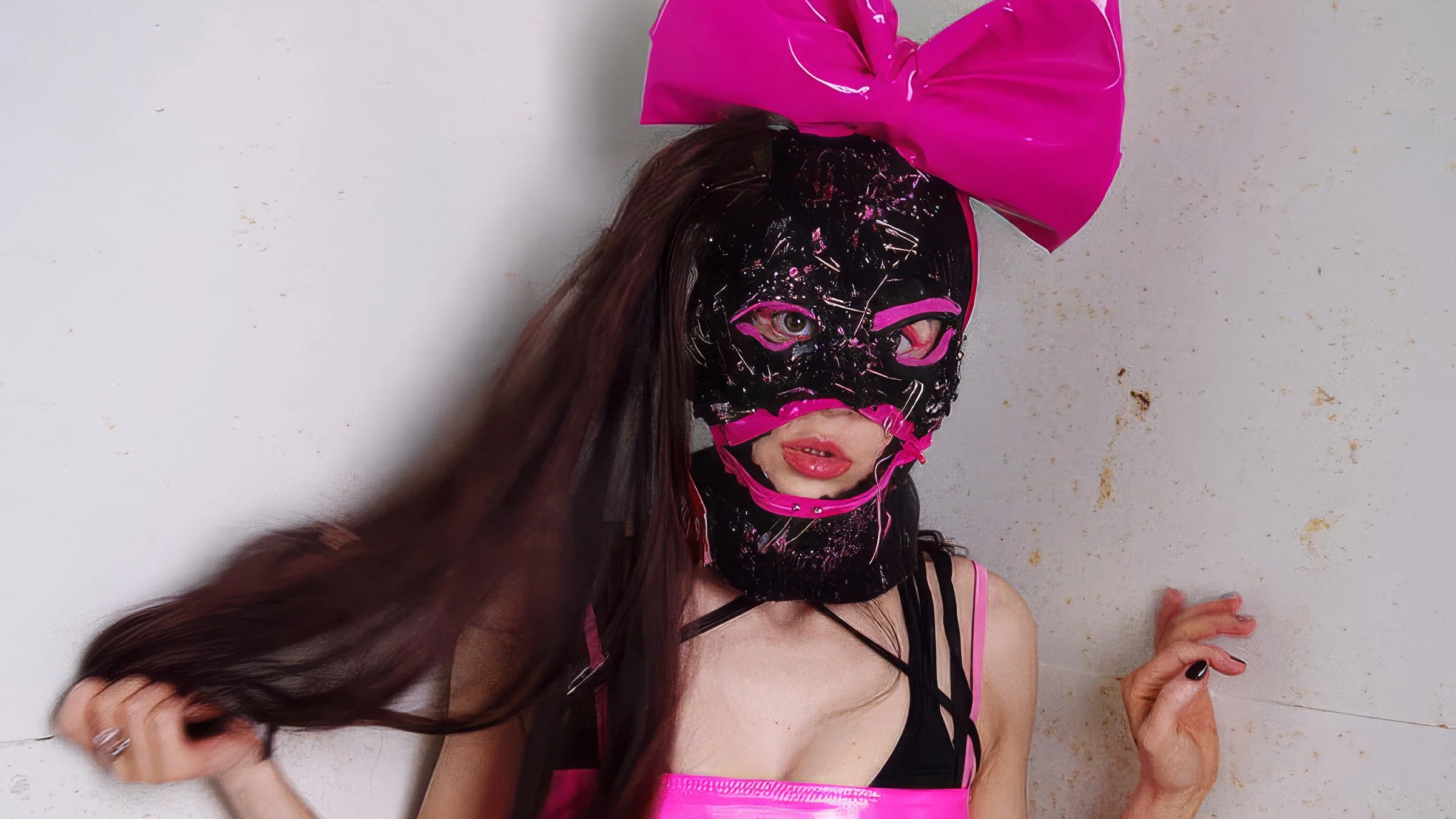
The worse things get, the more tempting it seems to make everything adorable. Pink bows, tiny plastic creatures, charms hanging from phones, cartoon faces, impossible colours, objects whose only apparent function is to make the world look slightly less serious. Kawaii has long escaped the boundaries of a particular Japanese subculture, but its current appeal feels particularly suited to a time when adulthood itself has become increasingly difficult to romanticise. Housing is unaffordable, work follows us home, politics arrives through our phones before breakfast and the technology supposedly designed to make life easier has made it almost impossible to disappear. Against all this, perhaps surrounding yourself with things that look as though they belong in a child's bedroom isn't quite as frivolous as it seems. Lexa Terrestrial certainly has good reason to understand the attraction. Her new Kawaii EP, including the hyperactive sweetness of "UR TOY", was created during what she describes as an extremely dark and isolating summer, while she was sick and in pain. The obvious response might have been to make something equally dark. Instead, she went cute.
That decision feels more significant when you know where Lexa was coming from. We wrote previously about the surgical error that left her critically ill, the diagnoses and debt that followed, and a neurological condition that has made something as involuntary as breathing part of the negotiation of everyday life. Her masks, extravagant clothes and deliberately alien appearance have consequently occupied a strange territory between fantasy and necessity. Medical equipment can disappear inside a character. Vulnerability can be transformed into spectacle before anybody else gets the opportunity to define what they are looking at. The interesting thing about The Kawaii EP is that the transformation goes further. Darkness doesn't simply get hidden behind something prettier. It is answered by its opposite. The more frightening reality becomes, the more exaggerated the fantasy can afford to be. There is something wonderfully unreasonable about responding to pain with bows, cartoons and sugar-rush colour. Reason, after all, belongs to the adult world, and the adult world is precisely what has failed her.
Perhaps this is why childhood keeps creeping back into adult culture. Toys have become collectables, bedrooms are filling with figurines, fashion has rediscovered charms and cartoon characters, and aesthetics once abandoned somewhere around adolescence have returned without much embarrassment. It is easy to mock all this as infantilisation, particularly when grown adults queue for objects whose appeal can be difficult to explain beyond the fact that they are cute. But that assumes adulthood is a destination everyone should be delighted to have reached. For generations, growing up meant gradually removing the unserious things. The stuffed animal went into a cupboard. The bedroom became tasteful. Clothes became sensible. You learnt which pleasures required justification and which parts of yourself were better left behind. Yet the bargain at the end of that process looks increasingly questionable. If adulthood offers insecurity, permanent availability, debt and an endless stream of catastrophe delivered in real time, buying a ridiculous little creature for your desk begins to look less like regression than a fairly modest act of resistance.
Cuteness also offers something contemporary culture increasingly struggles to provide: pleasure without an argument attached. We are accustomed to explaining ourselves. What we watch becomes taste, what we wear becomes identity, what we buy becomes ethics, and what we post inevitably becomes evidence of something. Even enjoyment can start to resemble a position that needs defending. A toy doesn't necessarily ask for any of that. Neither does a pink bow. They can simply make you happy for a moment. That simplicity becomes more valuable when life itself is complicated. Lexa's version is naturally more extreme. Her world has always involved masks, transformation and a refusal to present the body straightforwardly, and The Kawaii EP pushes that instinct towards deliberate excess. "UR TOY" throws K-pop, rap, hyperpop, EDM, drum and bass and kawaii pop into the same brightly coloured space. But the genres are almost beside the point. What matters is the impulse behind them: refusing the expectation that suffering must produce solemnity.
Maybe that is what we misunderstand when we call these things escapism. Escape has acquired a slightly shameful reputation, as though confronting reality continuously were evidence of greater seriousness. But nobody actually lives like that. We watch stupid television after funerals. We laugh in hospitals. We buy flowers when there is no practical reason to own flowers at all. Sometimes the least rational response to a terrible situation is also the most human one. Lexa could have allowed illness to dictate the emotional vocabulary of the work that followed it. Instead she built something deliberately cute, nostalgic and excessive while her circumstances were anything but. That doesn't erase what happened to her, and it doesn't turn suffering into an inspirational story with a convenient ending. It simply refuses to give misery complete ownership of the imagination. Perhaps that is why everything seems to get a little more kawaii when life gets worse. Sometimes making the world softer is what you do when you know perfectly well that it isn't.