
Who do we become in someone else’s memory?
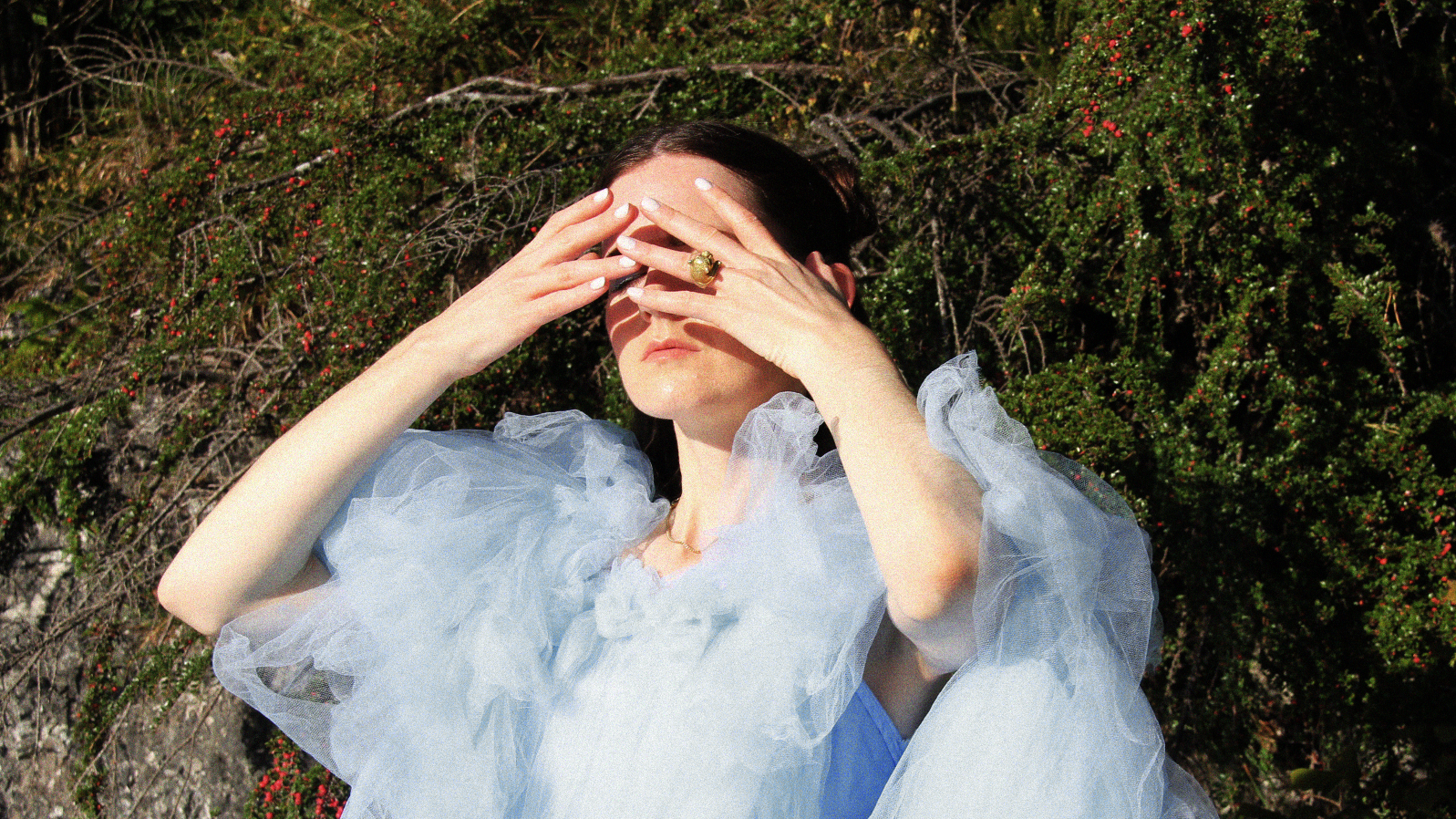
Time has a strange habit of making the wrong people look better. Arguments become harder to remember, the worst moments lose some of their weight, and eventually you can find yourself missing someone you know you were better off without. MOLTENO’s ‘Daydream’ lives in that uncomfortable gap between what we know and what we still feel. “I think most of us have a memory like that: one we’ve quietly made more beautiful than it was, because the truth is harder to sit with,” she says. She is probably right. Nostalgia is not particularly interested in facts. It keeps the glance across a room, the excitement, the intimacy, then quietly loses some of what came afterwards. Sometimes that is how we make peace with the past. Sometimes it is how we start lying to ourselves about it.
It is also much harder to leave anything behind now. Your phone casually produces a photograph from seven years ago. An old message is still sitting somewhere in an archive. Someone you once loved, hated or spent years trying to forget can be found in seconds. The past no longer stays politely in the past. It keeps finding small ways back into the room. ‘Daydream’ understands that recognising a relationship as destructive does not magically kill the attraction to it. Distance can even make things worse, because once the everyday reality disappears, the mind is free to keep the good bits and soften everything else. But anger keeps breaking through the fantasy. When MOLTENO remembers wishing she had been bolder, telling someone where to go when they “took it out on me”, the daydream suddenly becomes much less comfortable.
That feeling of being pulled under fits naturally into Element 3, the water chapter of MOLTENO’s four-part project around the elements and our relationship with nature. Water here feels less like a concept and more like a state of mind: surrendering to something, drifting into it, knowing you should probably come back up. ‘Daydream’ circles rather than rushes, built around analogue synths, arpeggiators, drums and strings that give the memory space to repeat itself. It also continues the visual world MOLTENO has built around her work, this time with independent label BECCI and art director Simone Meissl. Fashion, image and music are treated as parts of the same place rather than separate pieces of promotion, which makes the escapism feel unusually complete.
And perhaps that is the darker thing about a daydream. We choose to enter it. MOLTENO knows this relationship was wrong, knows why it ended and can see it more clearly from the other side, yet some version of it remains tempting. There is no neat revelation that suddenly makes the feeling disappear. ‘Daydream’ leaves room for something more recognisable: you can move on from somebody, understand exactly why you had to, and still occasionally miss the person they have become in your head.