
What we do with the things that hurt us
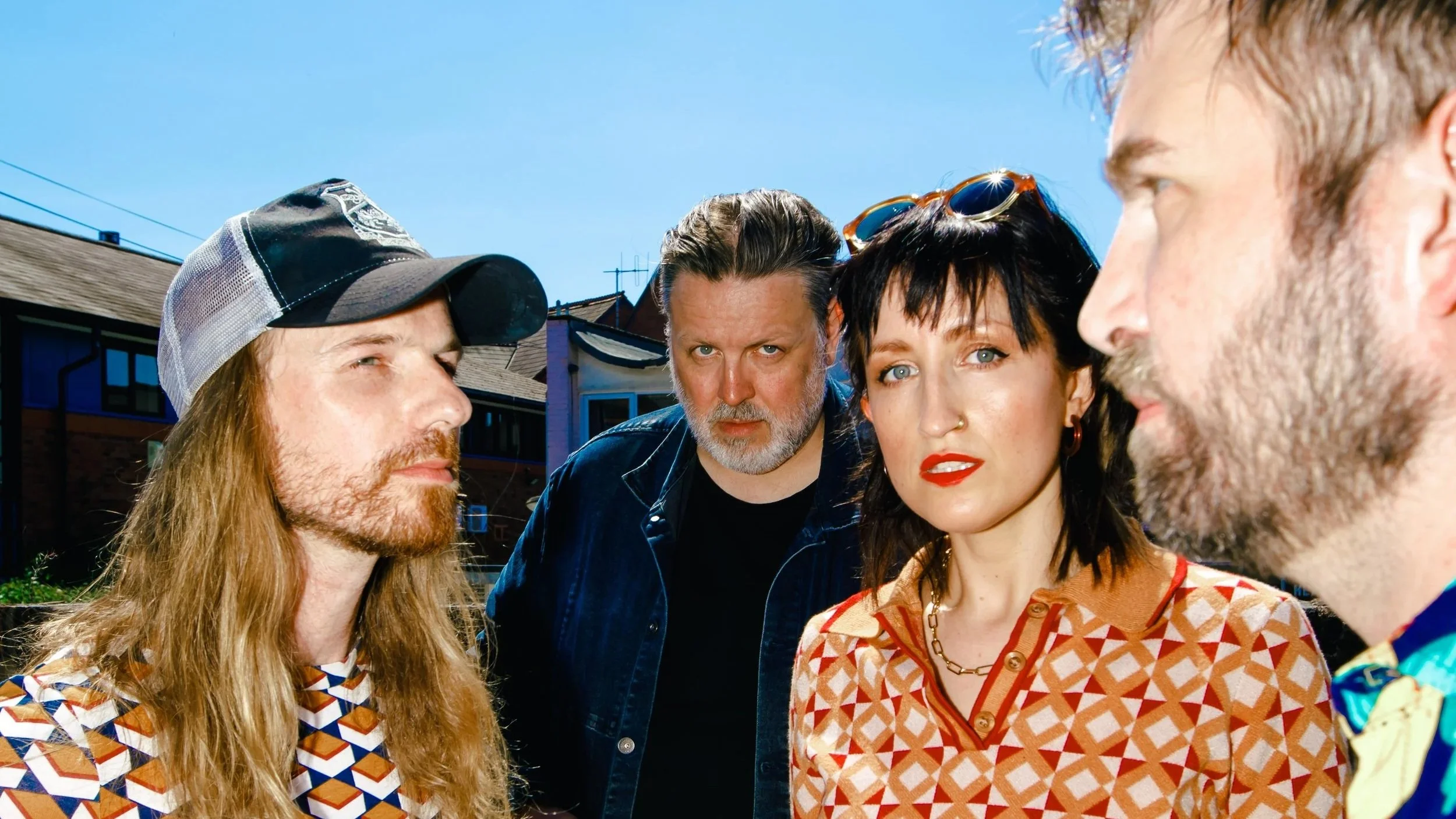
A bad memory does not disappear because we find a way to talk about it. The past stays exactly where it was. What can change is who gets to control it. Something that once happened to you can eventually become something you shape, repeat, perform and even hand to strangers. That transformation sits at the centre of Spiralling, the new single from Baby Brave’s debut album Sugar To The Tongue. Emmi Manteau wrote it during the aftermath of a breakup, at a point when thoughts had begun to turn against themselves. “Spiralling is about one of the hardest times in my life,” she says. “This is why I love writing songs because it’s turned that whole traumatic experience into something rather special and beautiful in a way that I can’t explain. Such is the power of music!” The important part is not the familiar story of heartbreak producing a song, but what happens to the experience afterwards. Making something from pain does not redeem what happened. It simply changes your relationship with it. The memory becomes material, and material can be rearranged.
Spiralling’s video makes that transition physical, beginning with bedroom walls seemingly closing in before opening into the communal release of a live performance. Private experiences can feel chaotic and repetitive precisely because they have no obvious boundaries while we are living through them. Making something gives them a beginning and an end. Eventually, they can leave the room without you. It is an idea that extends beyond songwriting. People write, paint, photograph, joke and tell stories about experiences they could not control when they happened. Creativity cannot rewrite the past, but it can change the role the past is allowed to play.
That emotional looseness finds an interesting parallel in Sugar To The Tongue itself. Baby Brave refuse to choose a side. Disco, post-punk, new wave and pop coexist without the band treating their differences as a problem that needs solving. Disco can be physical without becoming nostalgic, guitars can turn confrontational without making the band a rock proposition, and pop can hold everything together without sanding away the stranger edges. Coming from Wrexham, North Wales, away from the cities traditionally used to organise British musical history, probably adds to that freedom. Nothing feels burdened by the responsibility of representing a particular scene or maintaining its rules. That matters at a time when music has become remarkably efficient at classifying both artists and listeners. Playlists, algorithms, aesthetics and marketing depend on identifying what something is, what it resembles and who should hear it. Streaming gave us access to almost everything while simultaneously becoming very good at putting everything back into boxes.
Baby Brave operate more comfortably before those distinctions settle. That may be the real connection between Spiralling and the wider album: neither experience nor influence arrives neatly categorised in real life. Heartbreak can contain anger, absurdity, affection, humiliation and eventually pleasure again. Why should the things we make from it be any less contradictory?