
Who said piano music has to play by the rules?
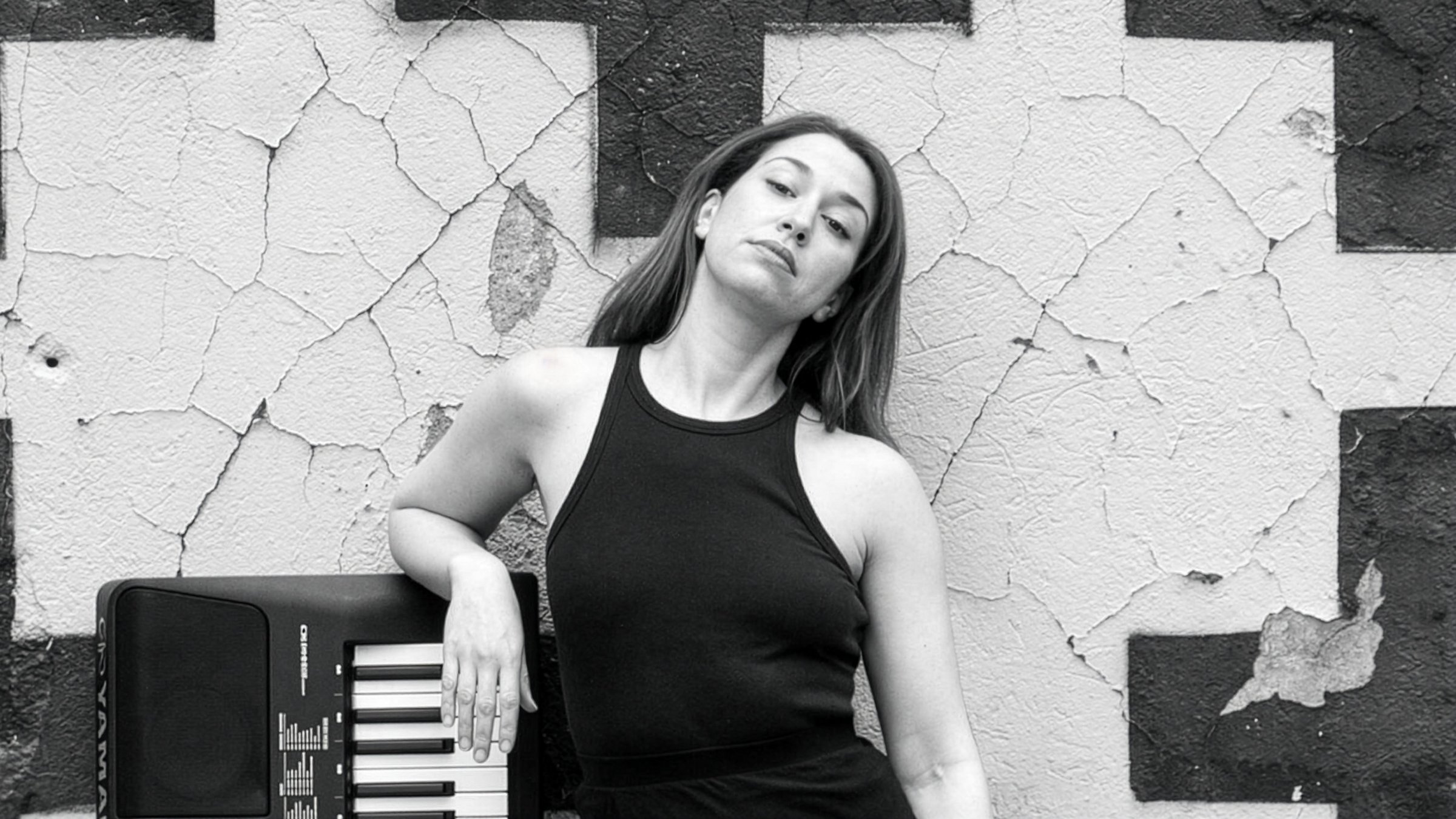
In a world where musical boundaries are often drawn in bold lines, Aurelia Evgenia quietly colors outside them. Her compositions—born from moments of stillness, wandering thoughts, and the subtle shifts of daily life—invite listeners to pause and notice the extraordinary within the ordinary. Rather than settling for mere genre labels, Aurelia’s debut album, Fierce, weaves neoclassical threads with gentle electronic pulses, creating soundscapes that linger like half-remembered dreams. Guided by curiosity and intuition, she crafts music that feels at once deeply personal and welcomingly universal—a refuge for sensitive souls and curious hearts alike.
Your music often transforms everyday experiences into something luminous and profound. Can you recall a specific, perhaps fleeting, moment—like the play of light in a room, or a single line from a poem—that unexpectedly blossomed into a piece of music?
I would say my inspirations are more like everyday experiences, linked to the fact that I still try to see life through the eyes of a child—even today—supported by my meditation practice. This naturally helps me in creating my music. I believe we can find wonder in many things every day. For example, "Interconnexions" (the first single) draws on those moments when my eyes met the gaze of wild animals, such as birds, and I felt a wave of love transport me—an experience that continues to move me. This was the intention and message behind this track, further reinforced by its cover art. Still, I didn’t want to create something “too” serious. For me, interconnectedness is about rediscovering life with curiosity, enthusiasm, and a sense of fun. I hope it will inspire others to find happiness as well.
As someone who has forged your own creative path, free from strict musical rules, are there personal rituals or quirks—perhaps habits others might find unusual—that help you discover new sounds or ideas?
Very interesting… Over time, I think I’ve let go of some of my “rituals” and learned to get to the heart of things, without taking myself too seriously. It’s not particularly unusual, but I’m generally an early riser—just to witness nature waking up, listen to the birds sing, and go for mindful walks. “Guardians – Along the Smiling Trees” is probably the piece that best captures this feeling. It’s a tribute to the forests and their spirits. Interconnectedness remains very important to me: touching the trees, feeling the earth, feeding the birds… These small acts help me stay grounded. Aside from that, my other rituals simply involve spending time with loved ones, taking care of myself and my surroundings, and connecting with people. Meditation is still a central ritual, both for my music and for my life, and often, melodies will come to me during these quiet moments. I’ll hear something in my mind and then translate it onto my instruments. For example, “Fierce” actually came to me in a dream—I woke up in the middle of the night and rushed to write it down in the DAW, so I wouldn’t forget it.
In your hands, the piano seems to breathe and feel—sometimes whispering, sometimes crying out. Do you remember the first time the piano seemed to “speak” for you, and how would you describe its voice within your work?
I'm so glad you picked up on that "crying piano" vibe! That's exactly the feeling I've always loved to express since I first started composing on the keyboard. I was always a creative child, like so many others, but my first real "encounter" with music was actually through a DAW and music production when I was just 12. That was a true turning point for me. At the time, I was a bassist and singer in a metal band (yes, really!), but then, quite instinctively, I switched to piano around the age of 14. It was a real revelation—a heartfelt cry. I remember walking into a music store, and even without any previous technique or training, arpeggios just started to flow out of me. It was a strange feeling, as if it wasn't really me playing; it was more intense, but also incredibly freeing. Even though I've never taken formal lessons, my passion for composing has always remained, although the path hasn't always been straightforward. In fact, I only returned to music later in life.
Fierce balances gentleness with strength, structure with spontaneity. How do you navigate your own multiplicity as an artist, and what would you say to fellow musicians who sometimes feel “in between” genres or identities?
Thank you so much for your feedback! About the multiplicity you mentioned, I think it’s something many people experience. We’re all creators in our own way, aren’t we? For me, it’s very fulfilling. For example, I also dance, and movement is another way to express myself—a form of art in its own right. We’re all different, but I believe inspiration can be found when we take the time to breathe and learn about ourselves, both in reflection and in action. But I also think it’s important not to fall too much into individualism or egocentrism. That’s why I recommend mindfulness and meditation to everyone, because they help us learn about ourselves and create with intention and understanding. I feel like our chords, paintbrushes, or intentions are really just receivers for energy. It’s important to surround yourself with people who inspire and support you, and to draw inspiration from artists you admire (this always makes me think of the book “Steal Like an Artist”). Do something that feels meaningful to you, but also don’t take yourself too seriously. Stay proactive—dreaming is wonderful, but if we only dream without acting, we can miss out on opportunities.
You’ve spoken of music as a space for those who feel outside the mainstream. What would you hope a listener, perhaps feeling a bit lost or out of place, might discover about themselves in your album?
It's a complex question, but I would be truly happy if someone could feel uplifted and hopeful through my creations. The whole album is like an adventure, with its different emotions. I intentionally finished the album with the track "Fierce," which is very positive—even a bit kitschy, I must admit, but that was on purpose. I composed the album in various emotional states, sometimes with a broken heart or a feeling of injustice. But throughout it all, hope was the message I wanted to come through. That’s perhaps the main message for the listener: everything you feel is valid—don’t deny your emotions, your identity, or your past. At the same time, you have the power, every day and every moment, to start fresh, to keep smiling, to find happiness in what is, and to discern reality from your own perceptions. Never deny hope, and be the actor of your own life. That’s the spirit I wanted to share with "Fierce"!