
What happened to Fauda’s symmetry?
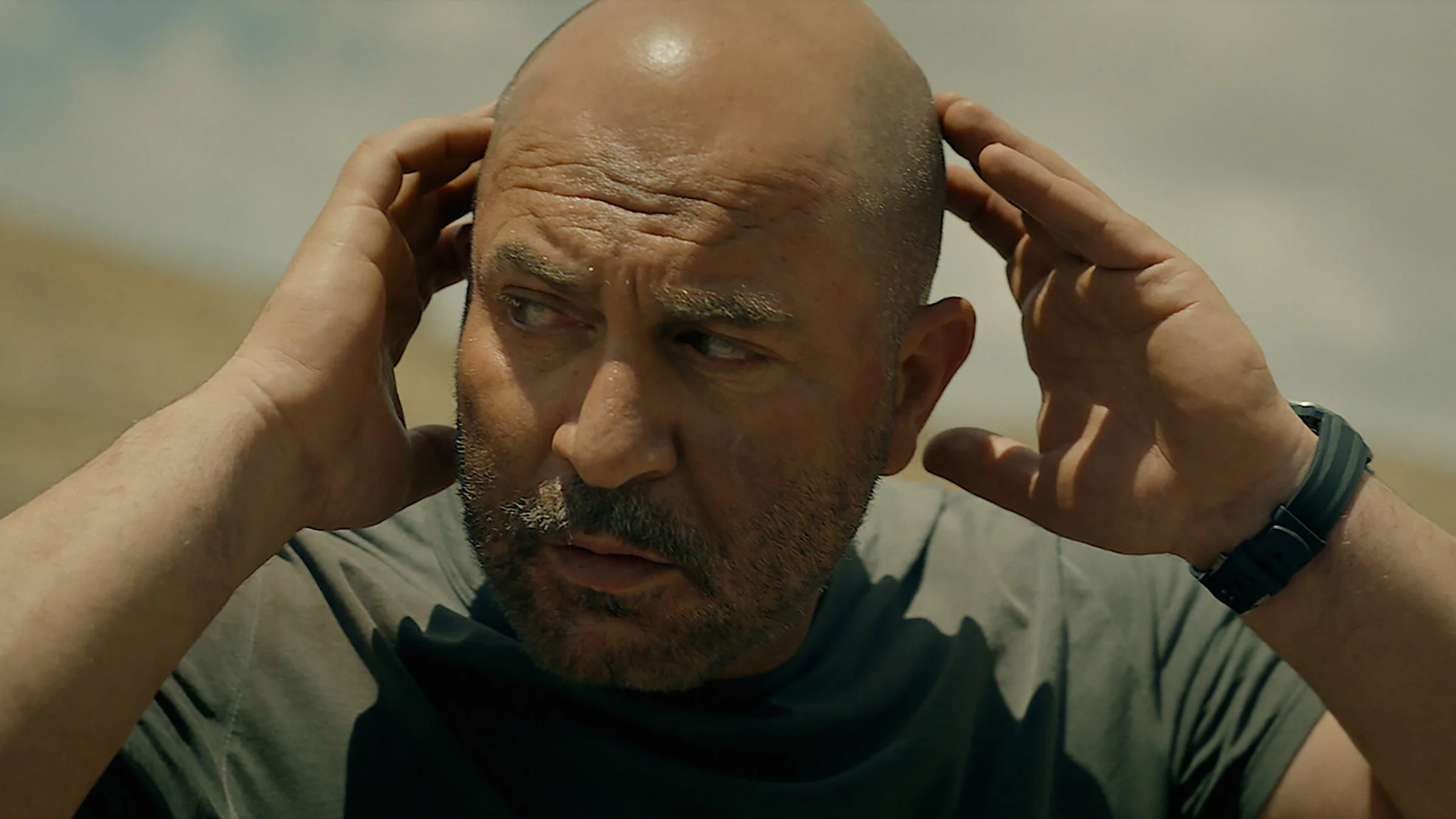
For four seasons, Fauda managed something unusual for a television drama set inside one of the world’s most bitterly contested conflicts. It was unmistakably an Israeli series, centred on an Israeli undercover counter-terrorism unit and largely seen through Israeli eyes, yet it repeatedly crossed the line separating protagonist from enemy. Palestinian characters had families, ambitions, loyalties and contradictions of their own. Violence rarely appeared without some sense of the circumstances that had produced it, while the Israeli operatives could be reckless, brutal and driven by revenge. This did not make the series neutral, and Palestinian critics have long questioned whether its apparent balance obscured the fundamental inequality between occupation and occupied. But Fauda did offer something more interesting than neutrality: access. It allowed the viewer to move between people who might regard each other as enemies without requiring one side to surrender its humanity.
The fifth season puts that achievement under considerable strain. The reason is unavoidable. The Hamas-led attacks of 7 October 2023 took place while the season was being developed, and creators Lior Raz and Avi Issacharoff subsequently reconsidered the story. Raz and Issacharoff were themselves directly involved in the aftermath, travelling to southern Israel to help evacuate civilians, while members of the wider Fauda family were affected by the war. A series that had always drawn much of its power from its proximity to Israeli reality could hardly continue as though none of this had happened. The new season consequently places the trauma of 7 October close to its centre, including sequences so direct that two episodes carry viewer warnings. This is not simply another event within the Fauda universe. It changes the emotional conditions under which that universe operates.
The shift is more complicated than saying that Fauda has become pro-Israel. It was always an Israeli story, and reducing the new season to propaganda would ignore much of what remains difficult and contradictory about it. Palestinian and Arab characters are still given recognisable human motivations, Israeli institutions are not presented as infallible, and the series has not abandoned its interest in the damage caused by revenge. Yet the balance feels different. The most revealing question may not be who is presented as good or bad, but whose pain the series takes the time to explain. Israeli grief now comes with memory, family, fear and consequence. The audience is taken inside the experience that produces rage and the desire for retaliation. Palestinian suffering remains present, but much of what followed 7 October in Gaza sits beyond the main dramatic frame. The difference is subtle but important. Fiction does not need to tell us which side to support if it gives us intimate access to the suffering of one while keeping the suffering of another at greater distance.
There is an understandable reason for this. Asking Israeli writers working in the immediate aftermath of 7 October to approach the event with the emotional distance of historians would be unrealistic. What makes the change interesting is precisely that Fauda has always been concerned with what happens when political violence becomes personal. Earlier seasons repeatedly destabilised the viewer’s sympathies by moving between Israelis and Palestinians, soldiers and militants, victims and perpetrators. Understanding someone did not mean agreeing with them, and sympathy could shift within a single episode. The occupation itself may have remained insufficiently examined, as the series’ Palestinian critics argued, but individual Palestinians were rarely allowed to remain anonymous embodiments of danger. They entered the story with lives already in progress.
Season five still attempts this movement, but its centre of gravity has shifted. That does not necessarily make it a lesser television series. It may instead make Fauda a revealing document of the period in which it was made. A drama that once tried to look across a conflict now finds itself changed by the conflict it depicts. The question hanging over the new season is therefore not whether Fauda has suddenly chosen a side. Its perspective was never difficult to locate. It is whether a series whose greatest strength was its ability to look across the line can continue to do so after that line has become so painfully personal.
Photo: Fauda, season five - Netflix