
5 things you need to know before watching The Social Reckoning
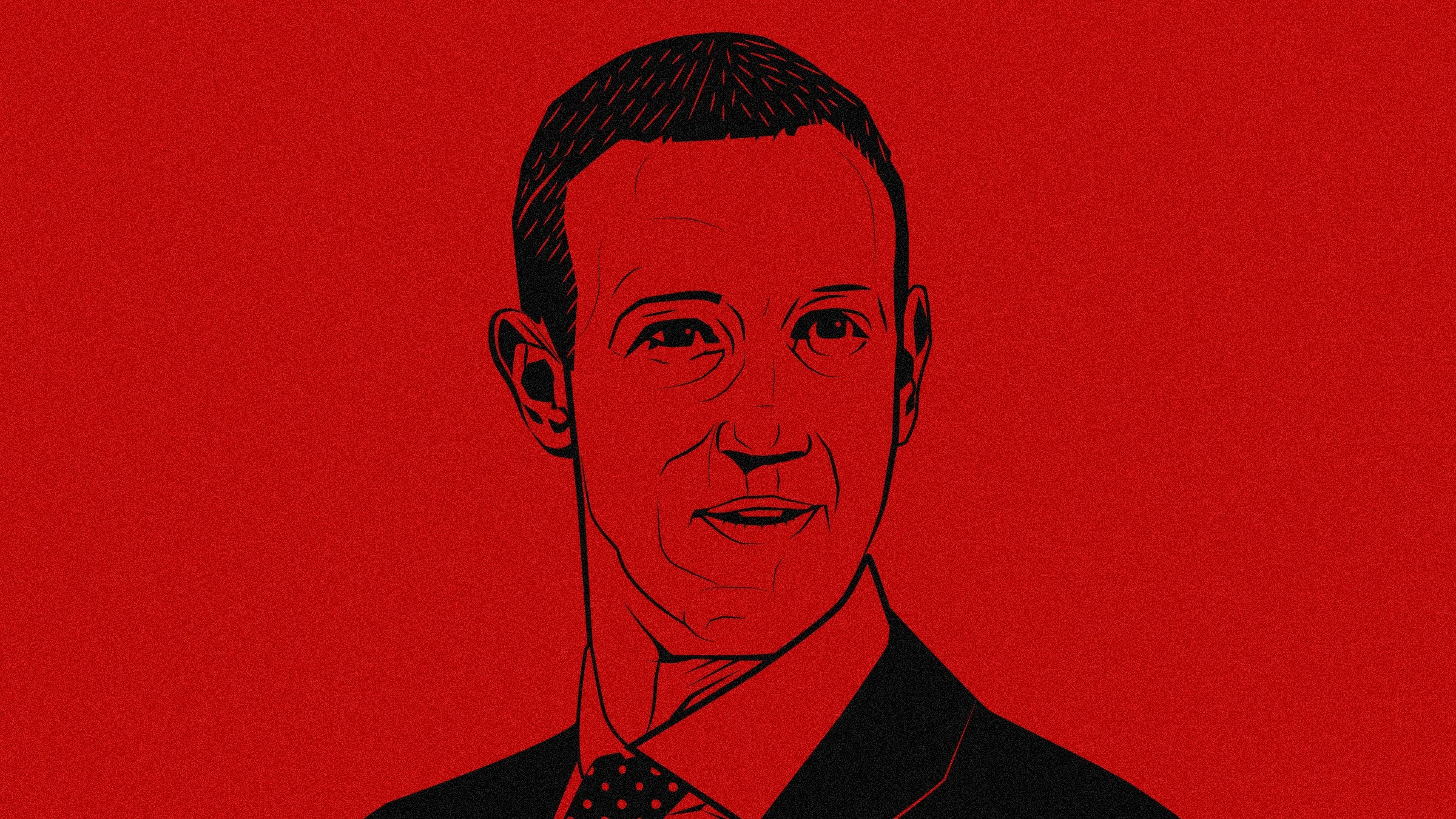
Sixteen years after The Social Network turned the creation of Facebook into a story about ambition, friendship, status and betrayal, Aaron Sorkin is going back. The Social Reckoning arrives in October, this time with Jeremy Strong as Mark Zuckerberg, Mikey Madison as Facebook whistleblower Frances Haugen and Jeremy Allen White as Wall Street Journal reporter Jeff Horwitz. The film draws on the events behind the Facebook Files investigation, but perhaps the most interesting thing about its arrival is how much the world around its subject has changed. The first film appeared when the mythology of Silicon Valley was still remarkably intact. Its sequel arrives in a culture that has had rather longer to think about what all that disruption actually produced. Here are five things worth knowing before watching it.
This time Aaron Sorkin is directing
The Social Network was very much a collision between two sensibilities: Sorkin wrote it, David Fincher directed it. For years, Sorkin said he would only return to Facebook if Fincher returned too. Fincher couldn’t direct the new film, although Sorkin says he remained involved, reading the script early and offering his support. Sorkin has therefore taken the director’s chair himself. It creates an intriguing difference. The writer who helped construct our fictional idea of Zuckerberg in 2010 is now returning to examine what that character, and the company around him, became. Sorkin puts the distinction rather simply: the first film concerned Facebook’s invention; the new one concerns what Facebook subsequently turned into.
Zuckerberg needed a new face
Jesse Eisenberg was initially offered the chance to return. He declined. Sorkin says Eisenberg no longer wanted to be so closely associated with Zuckerberg, leaving Jeremy Strong to take over the role. But the recasting feels strangely appropriate. Eisenberg’s Zuckerberg belonged to a particular cultural moment: the young, socially awkward coder who could build something in a dorm room and suddenly rearrange the world. The Zuckerberg Strong is playing exists on the other side of that transformation. He is no longer the outsider trying to enter the establishment. Facebook became Meta; the start-up became an enormous corporation; the founder became one of the most recognisable business figures on Earth. Perhaps Zuckerberg needs a different actor because, culturally at least, he has become a different character.
We were different in 2010 too
It is easy to forget quite how young social media still felt when The Social Network appeared. Much of what would later dominate public arguments about Facebook had yet to happen. Sorkin himself was not even a Facebook user when he wrote the original film. In 2019, when he began publicly discussing the possibility of returning to the subject, he pointed to the extraordinary amount that had happened since, including controversies around fake news and Cambridge Analytica. The new film instead centres on Haugen, who disclosed thousands of internal Facebook documents that became the basis of the Wall Street Journal’s Facebook Files reporting. The change in perspective is revealing. In 2010 the dramatic question was how somebody built Facebook. In 2026 it is what happens when something somebody built becomes sufficiently large to affect the lives of billions of people.
The disruptors became the establishment
This may be the larger story sitting behind the film. For years Silicon Valley borrowed the language and aesthetics of counterculture: break things, remove gatekeepers, decentralise information, ignore convention. The founder became a peculiar kind of cultural hero, part engineer, part visionary, part rock star. Yet successful disruption contains its own contradiction. Eventually the outsider becomes the institution everyone else is trying to disrupt. Hollywood appears increasingly interested in that reversal too, with a current crop of films and documentaries turning towards Zuckerberg and other powerful technology figures as subjects for scrutiny rather than uncomplicated entrepreneurial mythology. The fascinating question is therefore not simply what happened to Facebook. It is what happened to our idea of the tech genius. Perhaps we have become less interested in the exceptional individual who claims to see the future and rather more interested in who has to live inside that future once it arrives.
Facebook thinks Aaron Sorkin likes sausage dogs
And then there are the dachshunds. While researching The Social Reckoning, Sorkin finally did something he had avoided while writing The Social Network: he joined Facebook. He spent roughly a year and a half using it, hoping to understand the platform that had grown into something vastly more consequential than the website he had previously written about. And what did one of the most sophisticated personalisation systems ever constructed apparently learn about Aaron Sorkin? His feed became largely populated by pictures of dachshunds. Sorkin says he doesn’t know why. It is a wonderfully ridiculous detail, but also an oddly appropriate one. For two decades we have been told that algorithms can learn our preferences, anticipate our desires and construct increasingly personalised versions of the world around us. Somewhere inside that extraordinary machinery, Facebook looked at the man who wrote The Social Network and apparently concluded: this guy needs more sausage dogs.