
Why isolation has become the new underground aesthetic
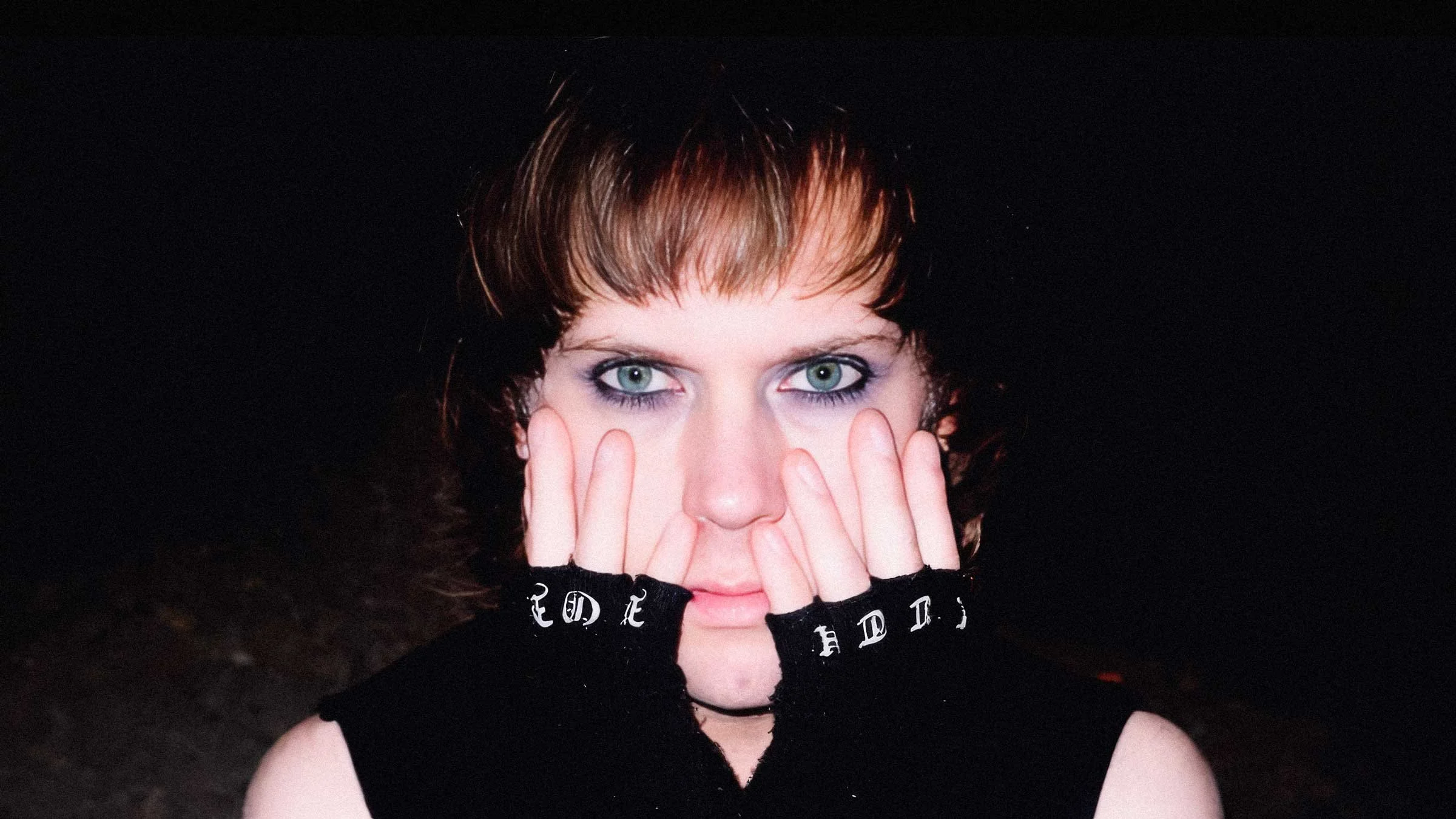
RIOT SON doesn’t know this, but “What Makes You Think” has lived in our personal playlists for months. Strange perhaps, considering these songs were born not from a visible underground scene, but from the mountain isolation of Boone, North Carolina. In another era, a place like Boone might have felt culturally disconnected from the wider alternative world. Today, it almost feels like an advantage. Some of the most emotionally resonant music emerging online no longer comes from fashionable city scenes or carefully networked creative circles. It comes from artists recording alone in bedrooms, building entire emotional worlds from geographic distance, insomnia and internet connection.
His self-described “Appalachian Gloom” is less a genre than a psychological environment, shaped by late-night drives through the Blue Ridge Parkway, mountain fog, loneliness and the strange intensity of feeling misunderstood in a small town. “This project is not just music; it’s a necessary survival mechanism,” he explains, and that sense of emotional necessity runs through My Love Is A Promise That I Can’t Keep. The debut EP feels unusually personal even within the already confessional world of contemporary post-punk and dream-pop revivalism. But what makes the project compelling is not simply sadness or nostalgia. Plenty of artists reference emotional vulnerability now. RIOT SON instead belongs to a growing group of younger musicians transforming isolation itself into identity.
The internet has quietly changed the cultural meaning of remote places. A bedroom studio in North Carolina can now exist in direct conversation with producers in Germany, mixing engineers in Quebec and listeners in London or New York. The old idea that artists must physically migrate toward major cultural capitals to become globally relevant is beginning to collapse. That tension between local isolation and digital hyperconnection gives the EP its emotional weight. RIOT SON repeatedly describes himself as an outsider, but the music never feels self-pitying. Instead, it captures a distinctly modern contradiction: the ability to be permanently connected while emotionally stranded at the same time. Across alternative culture, younger artists increasingly romanticise environments once associated with limitation or escape. Rural landscapes, empty roads, winter imagery, abandoned architecture and fog-heavy emotional symbolism have become recurring motifs across music, fashion and online visual culture.
The Appalachian backdrop matters because it carries its own mythology. Appalachia has long been culturally framed through ideas of isolation, hardship, folklore and inherited melancholy. RIOT SON taps into that atmosphere without turning it into caricature. The mountains in this story are not aesthetic props. They feel psychologically active, almost like emotional weather systems shaping the music itself. Even the recording process reflects this desire for physical texture and grounding. “I wanted to create a wall of sound that felt like it was bouncing off castle walls in a cold fog,” he says while describing the recording sessions built around vintage microphones, layered echoes and heavily physical vocal techniques. Elsewhere, he describes the EP as “a physical grounding of a very heavy emotion,” which perhaps explains why the music feels tactile despite being born almost entirely through digital collaboration.
Maybe that is why songs like “What Makes You Think” linger in the first place. They do not behave like music designed for immediacy or algorithmic impact. They move slowly, almost cautiously, carrying the feeling of somebody documenting their own emotional reconstruction in real time. RIOT SON describes parts of the writing process as arriving like “a direct download” during late-night drives through the mountains, and the music often carries that same half-conscious intensity. You can hear the internet in this project, but you can also hear the mountains pressing against it. The result feels less like escapism and more like evidence of a generation trying to build emotional meaning from places that once seemed culturally invisible.