
Why alternative music is returning to end of the world narratives
For a generation raised under the promise that technology, globalisation and endless connectivity would gradually improve life, the emotional atmosphere of the 2020s has become strangely apocalyptic. Young people today consume instability constantly: wars returning to Europe and the Middle East, climate anxiety, political extremism, economic pressure, AI threatening entire industries before most people fully understand it. Catastrophe no longer arrives as a singular event. It arrives daily, through notifications, timelines and headlines. Even optimism now tends to feel cautious, temporary, almost embarrassed to exist for too long. The result is a generation learning to function while quietly expecting systems to fail around them.
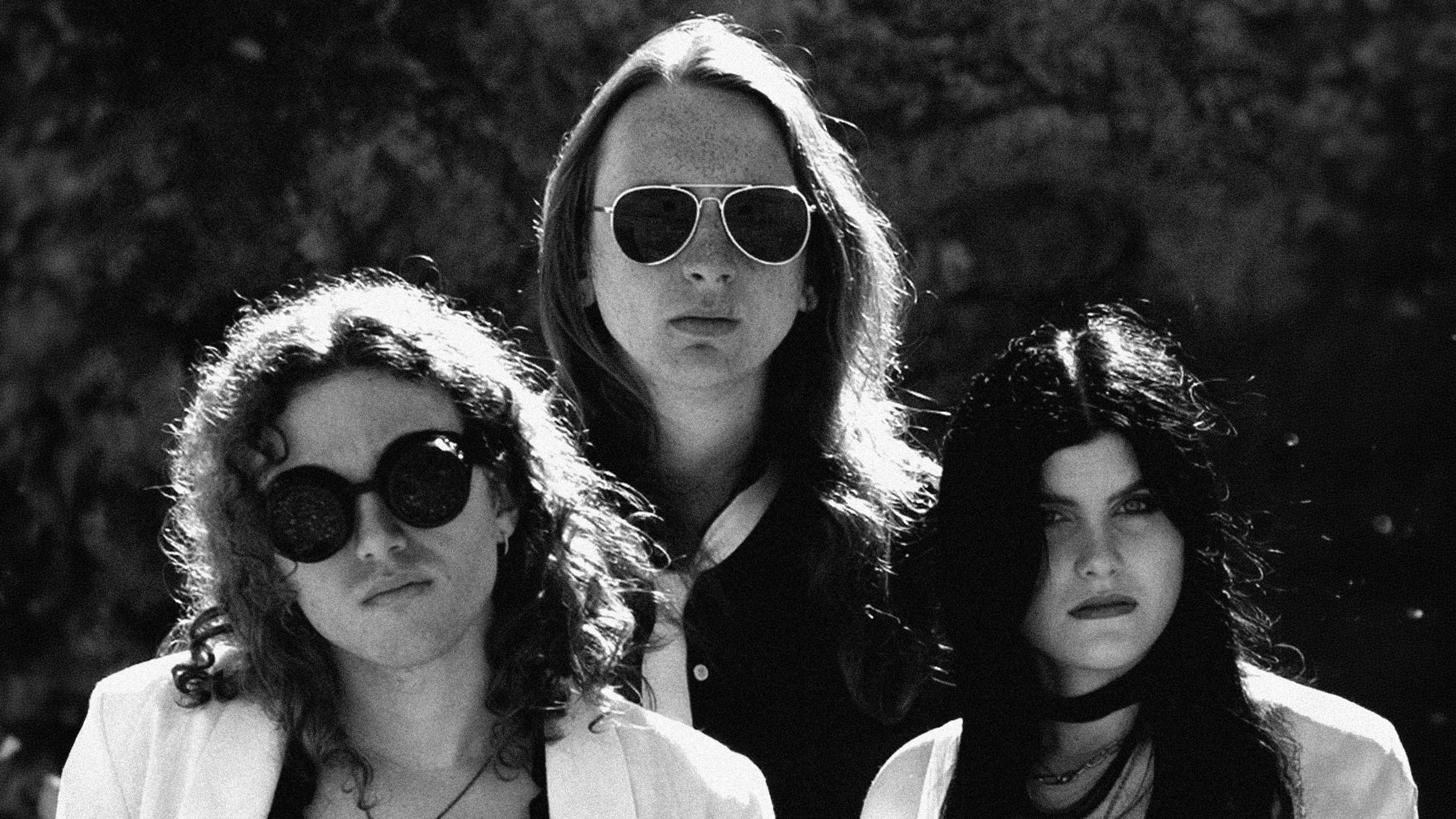
That atmosphere hangs heavily over A Kiss Before Dying, the ambitious debut album from Newcastle alternative rock trio Circus. On paper, the record’s obsession with nuclear imagery, collapse and destruction could sound theatrical to the point of excess, almost like a revival of old progressive rock grandiosity. In reality, it feels surprisingly contemporary. Circus are tapping into something many younger artists are beginning to rediscover: the need to build entire emotional worlds rather than disconnected singles designed to survive social media algorithms. Their album unfolds less like a collection of tracks and more like a psychological environment, tracing escalation, panic, collapse and aftermath with an almost cinematic sense of progression.
For years, alternative culture often responded to uncertainty through irony and detachment. Emotional directness became risky. Grand statements felt naïve. The internet rewarded fragmentation, self-awareness and disposable aesthetics over sincerity or scale. But that mood now appears to be shifting. Across music, cinema and fashion there is a growing appetite for immersion again, particularly among younger audiences exhausted by endless scrolling and constant interruption. In that context, the return of elaborate concept albums suddenly makes sense. Narrative, atmosphere and continuity offer something increasingly rare online: coherence. Albums like A Kiss Before Dying do not merely soundtrack anxiety, they attempt to contain it structurally.
That is also why the album’s progressive rock DNA feels more relevant than nostalgic. The parallels with the 1970s are difficult to ignore. That era was equally shaped by political distrust, economic instability and nuclear fear, and progressive rock emerged partly as a response to that psychological scale. Circus channel a similar instinct, though filtered through contemporary exhaustion rather than Cold War paranoia alone. Their apocalypse feels less explosive than ambient. The album captures the strange numbness of modern crisis culture, where people continue going to work, posting online and planning futures while simultaneously absorbing constant signals that the future itself feels increasingly unstable.
What ultimately makes A Kiss Before Dying interesting beyond its music is the way it reflects a broader cultural mood beginning to emerge across alternative scenes. Younger artists are becoming less afraid of seriousness again. Less afraid of emotional scale, mythology and atmosphere. After years dominated by ironic minimalism and hyper-digital aesthetics, records like this suggest a return to something heavier, more immersive and more emotionally committed. Beneath all the nuclear imagery and theatrical ambition, Circus are really documenting a generation trying to process permanent uncertainty without fully collapsing under its weight.