
Keisuke Yoshizawa and the myth of the fresh start
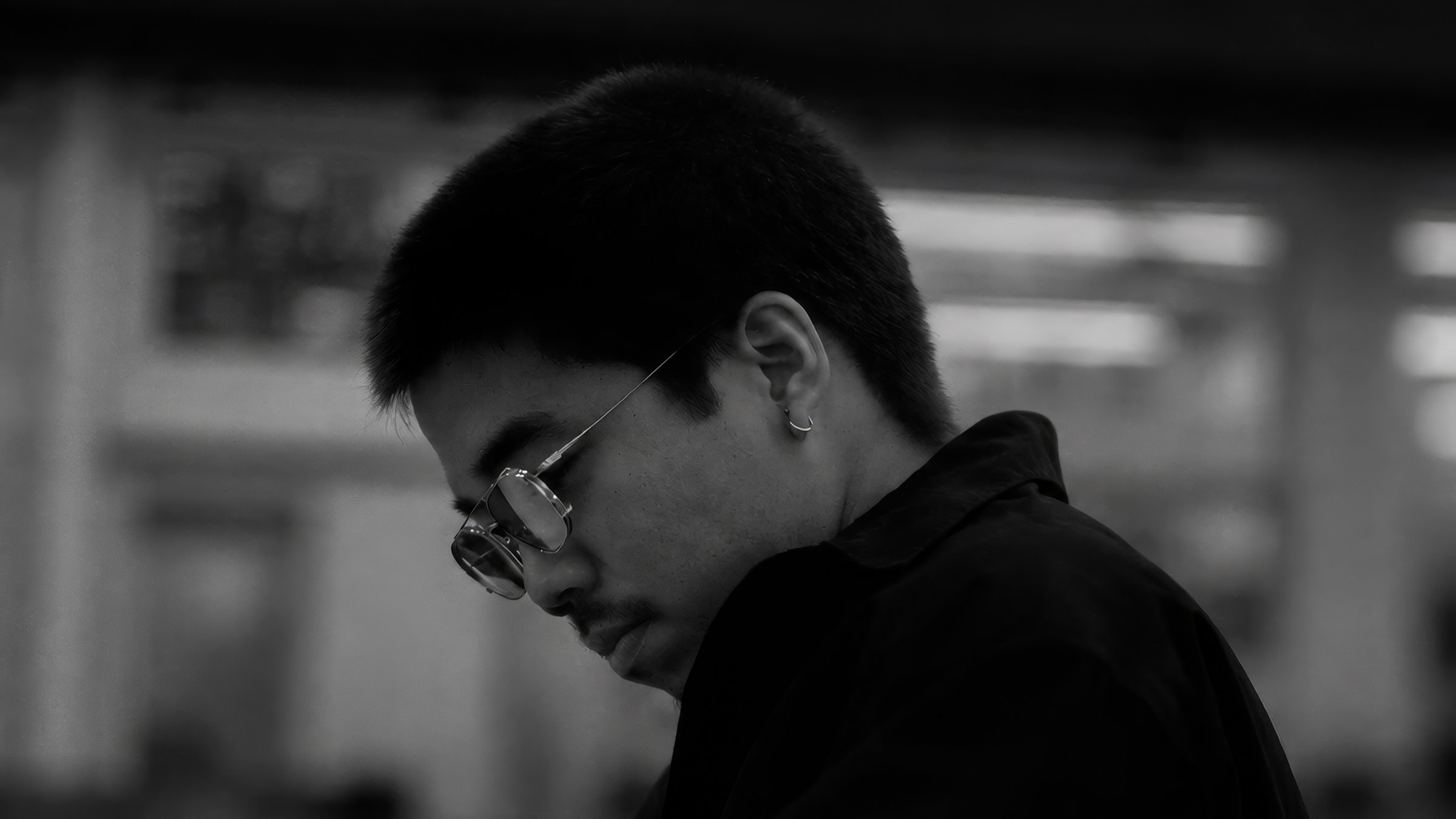
You move for a job, a relationship or because staying has become harder than leaving. For the first few weeks, practical problems take over: finding a supermarket, learning the journey to work, working out where you can afford to live. Then an ordinary evening arrives and you find yourself feeling much as you did before. The surroundings have changed; the worries have travelled remarkably well. Keisuke Yoshizawa’s (styled KEISUKE YOSHIZAWA) debut solo EP, Zero, begins with that familiar disappointment in the fresh start. After growing up in Tokyo and moving to London, the composer and keyboardist found versions of the same melancholy and restlessness in both places. His account leaves room for an experience that gets lost in stories of reinvention: moving can change your life without immediately changing how it feels to be you.
Long before London, Yoshizawa was already travelling between different versions of daily life. He grew up in Tokyo’s shitamachi, the old downtown, and took the train to a school in Jimbocho, central Tokyo, from his first year of primary school. Most of us have a journey like this somewhere in our past, even if it was only a short walk. You leave the rules of home and enter those of school, learning which parts of yourself fit comfortably in each. Later, the commute to work can revive the same habit: adjusting how you speak, what you disclose, how much space you take up. Yoshizawa links his childhood journeys to the sadness and agitation that would eventually inform his work. The neighbourhood also connects his story with Natsume Sōseki, who attended school there more than a century earlier before travelling to London himself. But the everyday repetition matters as much as that literary connection. A journey made often enough becomes part of how you think.
Anyone who has moved away knows that home can become more complicated at a distance. You miss something you barely noticed while living there, then return to discover that familiarity no longer guarantees comfort. Meanwhile, the new place gradually acquires its own claims on you. You have people to see, a preferred route, a window you look out of while avoiding a task. Yoshizawa’s London experience brought him into contact with feelings he already associated with Tokyo, giving him a different setting in which to understand them. That is a more modest, and useful, account of change than the promise of becoming a completely new person. Sometimes progress consists of recognising an old feeling sooner, or finding somebody with whom you can share it.
On Zero, released in January, one small piece of London becomes part of that process. The bells closing SiF are a recording of St Paul’s Cathedral, whose dome was visible from the studio window. Landmarks tend to belong to postcards until they enter your routine. Once you pass them on the way to work or see them while making a cup of tea, they acquire a private significance alongside their public one. Yoshizawa’s recording preserves that ordinary proximity. SiF was co-written with State is Flow, the London creative team from whom the track takes its name. A solo release, then, still carries other people within it. Moving somewhere new often depends on precisely those relationships: the acquaintance who becomes a friend, the colleague who makes an unfamiliar room feel easier to enter.
Zero lasts less than five and a half minutes, a small space in which to consider a change of direction. Yoshizawa understands its title as a beginning made possible when conflicting feelings meet. For listeners outside music, the appeal lies in the permission to start before everything has been resolved. A new job can be the right decision and still leave you anxious. Leaving home can bring relief and homesickness in the same afternoon. Neither feeling cancels the value of what you have done. Yoshizawa brings the tensions of Tokyo into his experience of London, then makes something from the encounter. The fresh start turns out to have room for the old self after all.