
Don’t unalive the vibe
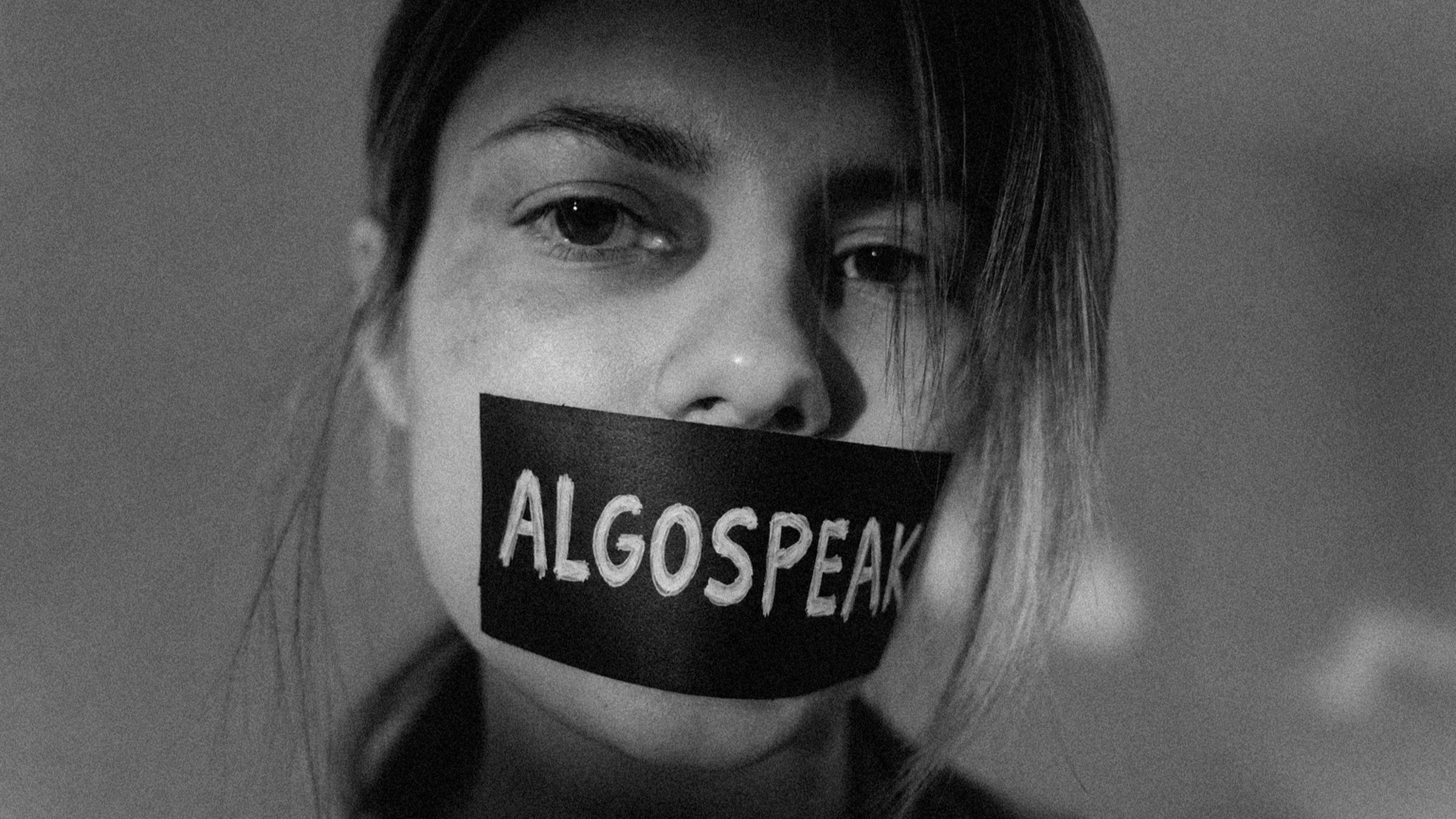
Before you post, you change a word. Then another. The first sounded too angry; the second might cause trouble. You soften the caption, add a joke and send it out. Nobody has explicitly told you to do any of this. You are working from something a creator said, something that happened to a friend, the vague suspicion that certain subjects make a post disappear. It is a small, ordinary negotiation with a system whose rules you cannot quite see. Somewhere between having a thought and making it public, you have acquired another imagined reader. Your friends might understand what you mean. Will the platform let it reach them?
Adam Aleksic’s Algospeak: How Social Media Is Transforming the Future of Language offers a way into this uneasy relationship. In the introduction, the linguist follows “unalive” from its circulation online into classrooms and conversations, where people may use it without knowing the history behind it. His wider argument concerns how platforms influence expression through the language they help spread, as well as the content they restrict. That distinction matters. Users cannot reliably predict a post’s fate from individual words, and theories about moderation can outrun the evidence. Yet uncertainty creates its own discipline. If you believe a word could cost you your audience, replacing it begins to feel sensible. The platform does not have to issue an instruction for you to start anticipating one.
For young people, this adds a peculiar complication to the business of finding a voice. Slang has always offered somewhere to belong, a way of recognising your people and enjoying the fact that somebody else does not get the joke. There is pleasure in bending language, making an ugly word funny or finding an expression that fits an experience adults keep misreading. Treating every unfamiliar phrase as evidence of cultural collapse misses that pleasure entirely. But speaking online can involve several negotiations at once: with friends, strangers, potential employers and whatever machinery distributes the post. A person trying to describe something difficult might also feel obliged to make it entertaining. Anger needs a punchline. Vulnerability needs a format. Even refusal can arrive with a caption designed to keep people watching. The question is how much of yourself survives all those revisions.
That question belongs in youth culture because visibility is bound up with participation. Consider a young artist promoting a show, an organiser trying to gather people or someone looking for others who recognise their experience. An account is a practical route into a scene. Being overlooked can mean an empty room, a missed connection or the feeling that you have spoken into nothing. Under those conditions, learning the platform’s supposed preferences becomes an understandable habit. You borrow the opening that seems to work. You package the thought in a familiar shape. You watch the response and adjust. These are reasonable decisions for someone trying to reach people. Still, there is something bleak about having to become your own publicity department before you have had much opportunity to decide who you are.
The dystopian detail is the ease with which that work could become ordinary. You might begin by substituting a word to get a message through, then find yourself using the substitute in a room where nothing is being moderated. The workaround has become part of your vocabulary. People can give borrowed language tenderness, precision and meanings its origins never anticipated. Their ingenuity deserves more credit than another lecture about damaged attention spans. But ingenuity should not let the owners of the room off the hook. When young people build friendships, scenes and identities inside commercial platforms, the conditions of visibility become cultural conditions too. We should be able to enjoy the jokes while asking what made the code necessary. Before changing that caption again, there is a question worth holding on to: whose comfort are you editing for?