
How much of ourselves only exists when nobody is watching?
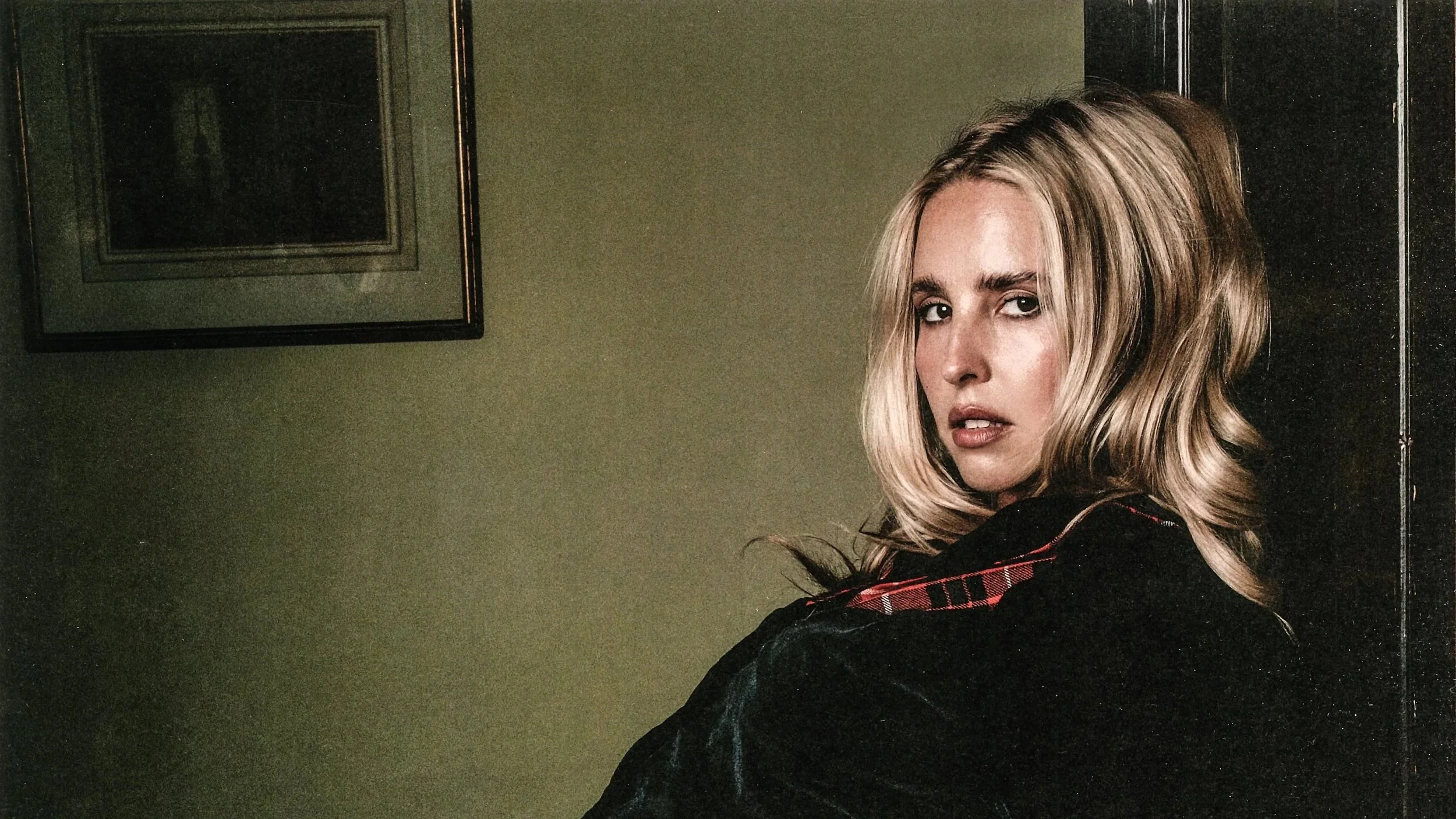
Nobody needs to be in the room for us to feel watched. The audience has followed us home. It sits somewhere in the back of the mind, silently anticipating what we might say, how we might look, what somebody would think if they could see us now. Laurel’s account of writing “French Kiss” begins in the opposite condition. Alone in her bedroom in Los Angeles, she wrote the song in less than an hour, describing something that seemed to arrive before she had the opportunity to interfere with it. More revealingly, she says she prefers writing alone because another presence can obstruct that flow. But perhaps physical presence is no longer the real problem. How much of ourselves only exists when we forget that anybody might be watching?
We have always changed around other people. We speak differently to lovers, parents, colleagues and strangers, and civilisation probably depends on that adjustment. What feels different now is how rarely the performance completely stops. We photograph a moment while imagining its future audience. A thought arrives and almost immediately encounters the possibility of being shared. An opinion begins forming alongside an awareness of who might object to it. Even alone, we can find ourselves rehearsing explanations for decisions nobody has questioned. The observer has moved inside the room without opening the door.
That makes being alone more complicated than simply “being yourself”. There may be no single authentic person underneath our public performances. The person we are with a partner can be as real as the person we are with a stranger. The darker possibility is that some versions of us require complete solitude to exist at all. Thoughts too strange to articulate. Impulses that would look ridiculous from the outside. Ideas that collapse as soon as they have to explain themselves. They may survive for seconds before an imagined reaction arrives and edits them into something safer. Nobody has censored us. Nobody even knows what happened. Yet something has already disappeared.
“French Kiss” emerged before that interruption. Laurel wrote, recorded and produced the track herself at home, making solitude less interesting as an artistic achievement than as a condition in which an idea could remain temporarily unobserved. Nobody beside her needed to understand what she was doing while she was doing it. No instinct had to justify itself before being followed. Her description of the song arriving almost as though it did not belong to her might sound mystical, but the experience behind it is remarkably ordinary. A sentence appears before we understand what we are trying to say. We suddenly know what we want. An idea feels obvious for a few seconds, until thought catches up with it. Perhaps what we call instinct is partly what happens in that brief interval before the internal audience arrives.
Being alone does not necessarily reveal some purer version of ourselves. But it can create something increasingly difficult to find: a moment in which nothing needs to be witnessed, explained or turned into something another person could understand. “French Kiss” began inside such a moment, before Laurel carried its private world from a bedroom in Los Angeles into a video made in Paris, before something created without an audience became something intended for one. Perhaps that brief state of being truly unwatched matters more than we realise. Not because it reveals who we really are, but because it allows thoughts, impulses and versions of ourselves that might never survive being seen. We tend to worry about who is watching us. The more unsettling question is what happens when nobody is watching, but we behave as though somebody is.
Cover photo by Lune Jusseau