
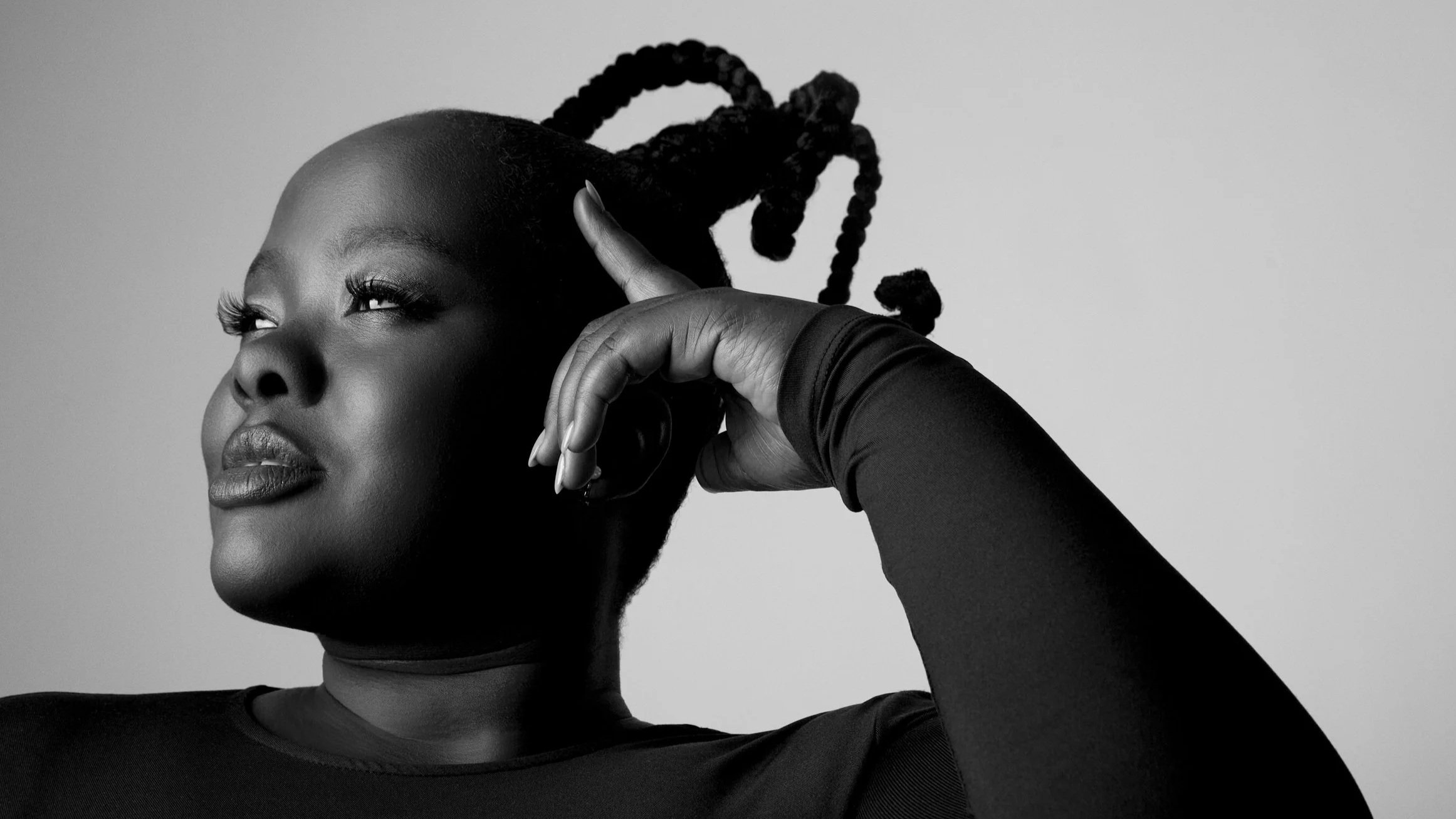
You can build something entirely your own, earn the respect of others, have people who love you and still feel that something about you isn't quite enough. Maybe it's your appearance, the way you behave in relationships, or that nagging feeling that everyone else has figured out something you haven't. You forgive a friend for making a terrible mistake, then spend three days beating yourself up over something insignificant. Why are we so much kinder to other people than we are to ourselves? NNAVY has been thinking about this too. Her album, I'll Wait For You, deals with grief, desire, love and the complicated business of feeling comfortable in your own skin. Talking about the song "In My Room", she admits: "I offer boundless empathy to everyone else in the world, yet I cannot extend even a fraction of that kindness to myself." It's hard not to recognise something of ourselves in that admission. Especially when we're constantly being told to love ourselves by the same culture that spends most of its time pointing out everything we could improve.
NNAVY doesn't seem particularly interested in pretending everything is fine. And thank goodness for that, because I'll Wait For You is packed with the kind of soul that gets under your skin. Grit, groove, attitude, and musicians who know exactly what they're doing without feeling the need to show off. The arrangements are beautifully crafted, but nothing feels too neat or dressed up. There's dirt under the fingernails, a raw energy that keeps everything alive. And beneath all that swagger are some very human questions about insecurity, grief and the need to be loved. NNAVY has spoken about wanting to be a role model for women who don't often see themselves represented. It's an ambition that runs alongside her determination to do things her own way, including taking sixty live shows on the road without a record label behind her. But what makes her words interesting isn't a story about independence or success. It's that she can speak about strength without pretending that strength makes everything easier.
Feeling good enough is difficult for most of us. But what happens when the world keeps suggesting that people who look like you aren't quite what it's looking for? In "Late Nights", NNAVY addresses the experience of Black women being overlooked or considered less desirable in Western dating culture. It's a strange contradiction. Black culture has shaped so much of what the world listens to, wears and considers beautiful, yet that admiration doesn't always extend to Black women themselves. Being celebrated for your cultural influence isn't the same as being seen, wanted or accepted as a person. NNAVY wants to be someone other women can look up to, particularly those who don't often see themselves in the spotlight. But it raises another question. Why do women, and especially Black women, so often have to be strong, successful or inspirational to get noticed? What if you don't feel strong today? What if you're struggling, making mistakes or simply trying to get through the week? The expectation to be endlessly confident and resilient can become another weight to carry. Sometimes you just want to be yourself without having to prove anything to anyone.
Relationships aren't much easier. The album's title track is dedicated to NNAVY's cousin, someone who has been part of her life almost since birth. She explains that they've been through difficult periods and sometimes pushed each other away, including times when she didn't want to face her own responsibilities or worried about becoming a burden. It's an unusually open admission, and one that makes their bond feel all the more real. Other songs deal with the exhaustion of giving more than you receive. "I've Tried" and "Why" explore relationships where the other person simply isn't there when you need them, while "Distance" and "Get Away" are about knowing when to protect yourself. We're constantly advised to cut toxic people out of our lives, establish boundaries and stop wasting energy on anyone who doesn't deserve us. Sometimes that's exactly what we need to do. But people are complicated, and so are the reasons we stay or leave. NNAVY also writes about losing her brother. Seven years after his death, she noticed that for the first time she hadn't spent his birthday crying uncontrollably. Rather than feeling relieved, she found it strange. Grief does that. You spend years wishing the pain would become easier, then feel unsettled when it finally does. As though missing someone a little less painfully might somehow mean loving them a little less.
Seven years after losing her brother, NNAVY found herself questioning why she hadn't cried on his birthday. In "In My Room", she wonders why the kindness she gives others is so difficult to offer herself. And in "Late Nights", she confronts what it means to want to be desired in a world that doesn't always see you. These aren't questions that disappear because you've become successful, independent or confident in front of an audience. Perhaps that's the most uncomfortable part. You can spend years working on yourself, changing the things you dislike, becoming everything you once hoped to be, and still find yourself lying awake wondering why someone hasn't called. NNAVY has made an extraordinary album out of feelings most of us would rather keep to ourselves. And somewhere between all that soul and grit, there's a question worth taking home: whose approval are you still waiting for?