
When i was 5, i asked for a rockstar birthday cake and got a princess one. Still recovering
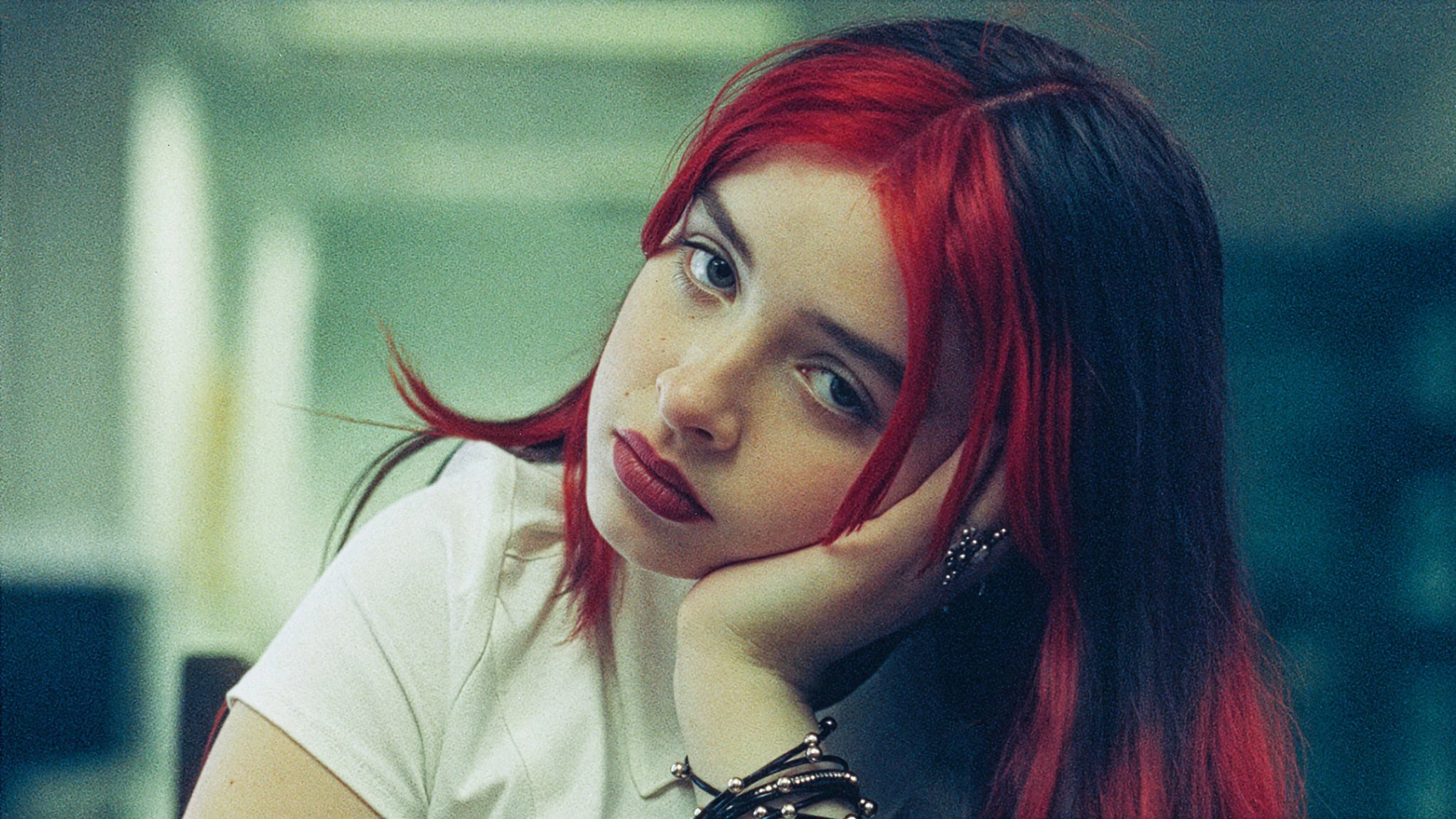
When Piper Connolly sings, “we were blasting that song in the car of the band that I always thought was overrated,” she captures something quietly defining about modern youth culture. It is not really a lyric about music taste. It is about the exhaustion of self-awareness. For more than a decade, young people online have been trained to filter every emotion through irony, analysis and performance before fully allowing themselves to feel it. Taste became identity. Cynicism became social protection. Even romance increasingly arrived wrapped in sarcasm, emotional disclaimers and internet-ready detachment. Somewhere between Tumblr-era sadness, TikTok oversharing and algorithmic self-branding, sincerity itself started to feel embarrassing. That is what makes Connolly’s new single “beautiful life” unexpectedly interesting. The song does not try to appear emotionally complicated. It does not disguise vulnerability beneath darkness or intellectualise attraction into trauma discourse. Instead, it embraces emotional immediacy with almost disarming confidence.
That confidence feels culturally significant because alternative pop spent years rewarding emotional distance. Throughout the late 2010s and early 2020s, the dominant mood across youth-oriented music became increasingly internalised and melancholic. Bedroom pop, whisper vocals, detached humour and carefully aestheticised sadness shaped an entire generation of emerging artists. Even happiness often arrived framed through nostalgia, collapse or self-destruction. Young listeners became fluent in emotional analysis but often uncomfortable with emotional clarity. Connolly’s approach feels like part of a growing shift away from that atmosphere. “beautiful life” is openly romantic, impulsive and direct. It celebrates infatuation without apologising for it. The repeated line “So there’s no need to complicate it” almost sounds like a response to the emotional overprocessing that dominates online culture. In 2026, where every relationship can instantly become content, diagnosis or debate, refusing complexity starts to feel strangely rebellious.
The most revealing detail about Connolly may not even be in the song itself, but in her Spotify bio: “when i was 5, i asked for a rockstar birthday cake and got a princess one. still recovering.” It works because it compresses years of cultural contradiction into one sentence. Young female artists are still often pushed toward softness, prettiness and relatability, even while alternative pop borrows heavily from the aesthetics of rebellion, emotional chaos and rock mythology. For years, many female pop artists navigated this tension by adopting hyper-stylised darkness or emotional detachment as a form of cultural authority. Connolly’s persona feels different because she does not appear interested in performing emotional unreachability. There is edge in her presentation, but it exists alongside warmth, crushes, sunlight and excitement rather than replacing them. In many ways, “beautiful life” feels less interested in appearing cool than in documenting the feeling of genuinely liking someone before irony has time to interrupt.
That tension between irony and sincerity is exactly what makes the song feel contemporary rather than nostalgic. Connolly’s lyrics still carry traces of internet-native self-awareness. The “overrated band” line only lands because modern listeners instantly recognise the psychology behind it: the fear of openly loving the wrong thing. Entire online identities have been built around careful cultural positioning, where liking music, films or aesthetics often functions as social signalling rather than emotional experience. Yet “beautiful life” ultimately chooses emotional surrender over cultural distance. The song keeps returning to ordinary moments rather than grand emotional statements: dancing in a parking lot, holding hands in a supermarket aisle, hearing someone say your name in a particular way. These details matter because younger audiences increasingly seem tired of permanent emotional performance. After years of hyper-curated personalities online, uncomplicated affection has started to feel more authentic than carefully constructed coolness.
That may explain why a growing number of younger pop artists are moving away from nihilism and emotional opacity toward something more emotionally present. Not necessarily optimistic, but willing to experience joy without immediately dismantling it. Connolly is not reinventing pop music with “beautiful life,” nor does she need to. The song’s strength lies precisely in its refusal to transform every feeling into a statement about suffering, identity or collapse. Instead, it captures a generation trying to rediscover what emotional directness sounds like after years spent hiding behind detachment. In that sense, the track feels less like escapism and more like cultural fatigue finally giving way to honesty. For audiences raised inside constant commentary, where every emotion risks becoming discourse before it can become memory, simply saying “it’s a beautiful life” without irony increasingly sounds radical.