
The mythology of Eleri Ward
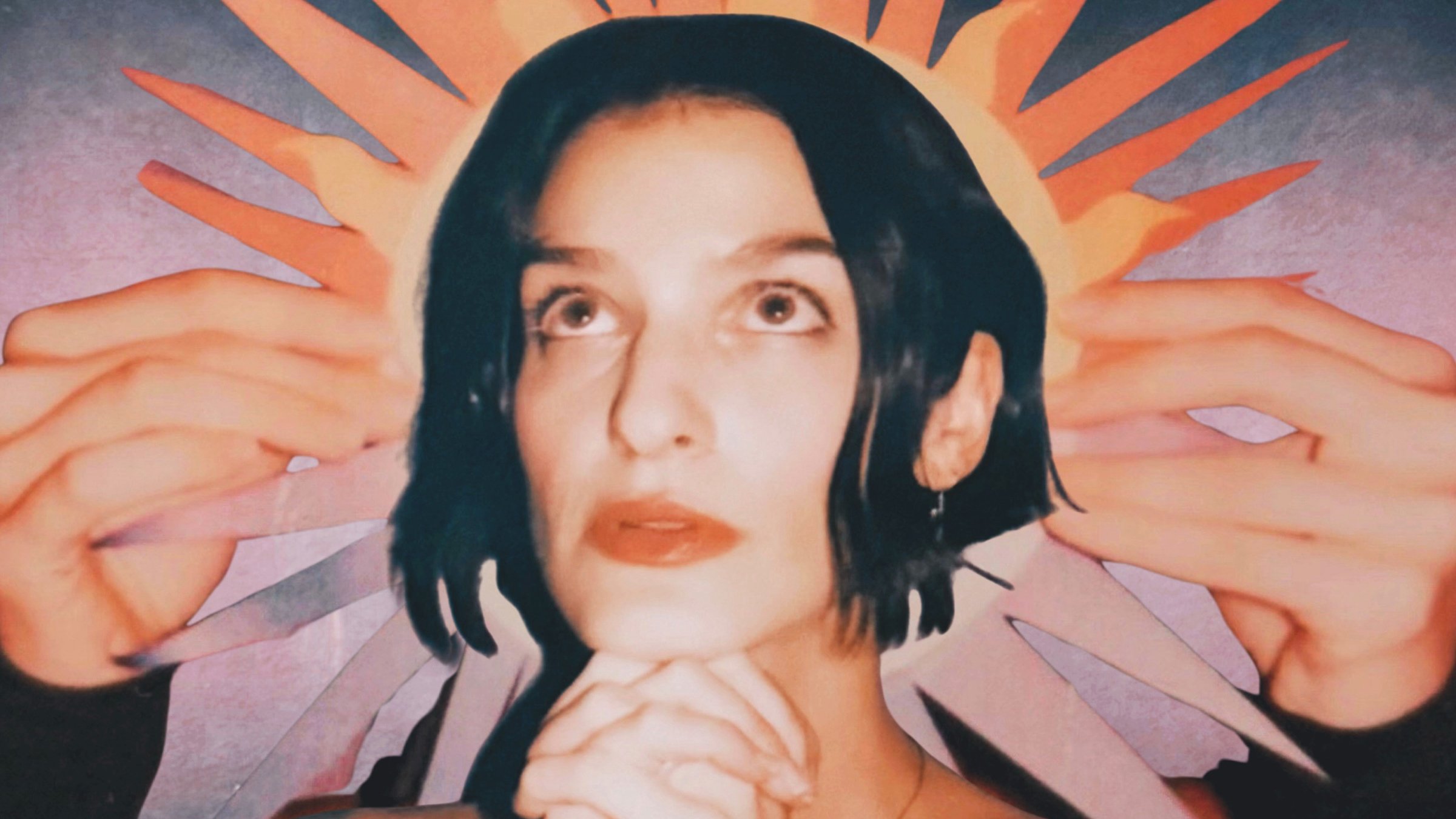
We talk endlessly about change, but almost never about the silence that follows it. Not the moment of collapse, not the breakthrough, but the strange interval afterwards, when nothing feels fully formed, and yet there is no going back. It is an awkward position to inhabit. You are no longer who you were, but the world has not adjusted to who you might become.
Eleri Ward’s recent work sits precisely in that interval. If her earlier music traced the act of letting go and the construction of inner rituals, this new phase lingers in the aftermath. Not as resolution, but as suspension. The shedding has already happened. The old identity has dissolved. What remains is less certain: a self that is no longer defined by what it was, but not yet solid enough to stand without question. It is a fragile position, one that resists easy narratives of growth.
This is where her trajectory becomes more interesting and more unsettling. The internal world is, in many ways, controllable. You can build meaning, assign symbols, and create coherence where none exists. But the external world is indifferent. It does not adapt to your transformation. It does not validate it. You step out of the ritual and into a space that demands performance, clarity, and consistency. And suddenly the question is no longer who you are, but how that version of you survives contact with everything else.
There is a broader cultural shift embedded in this. For years, the language of self-work has dominated, encouraging introspection, healing, and reinvention. But we are now beginning to encounter its limit. What happens when everyone is in a constant state of becoming, yet still expected to function, to present, to remain legible to others? The gap between inner truth and external expectation is widening. Ward’s trajectory quietly maps this tension, moving from introspection into exposure without offering a clean resolution.
What makes this phase compelling is its refusal to resolve into confidence. There is no triumphant arrival, no stable identity waiting at the end of the process. Instead, there is a more difficult question: can you exist as something still forming, in a world that prefers finished versions of people? The answer is not provided. It is lived, moment by moment, in that uneasy space between doubt and declaration. And perhaps that is the point. Transformation does not end with clarity. It begins again the moment you step outside.